


Tantalum nuts are special fasteners made of rare refractory metal. Benefiting from superior corrosion resistance, high melting point, stable physical and chemical properties and good machinability of tantalum metal, they are irreplaceable connecting parts under harsh corrosive working conditions. With the continuous expansion of global fine chemical, hydrometallurgy, biopharmaceutical, semiconductor equipment and high-end laboratory equipment industries, overseas inquiries and orders for high-purity tantalum nuts, tantalum bolts, tantalum screws and other tantalum fasteners keep increasing. Domestic tantalum deep-processing manufacturers keep optimizing precision turning, thread forming, deburring and surface treatment processes. Custom tantalum nuts complying with GB, ASTM and other international standards are available. Supported by stable quality, flexible customization and reliable lead time, domestic suppliers are steadily expanding market share in the overseas special fastener market. This article analyzes the material advantages, downstream applications, overseas market features, foreign trade operation tips and supply chain strengths of tantalum nuts, offering professional references for tantalum material foreign trade practitioners and overseas buyers.
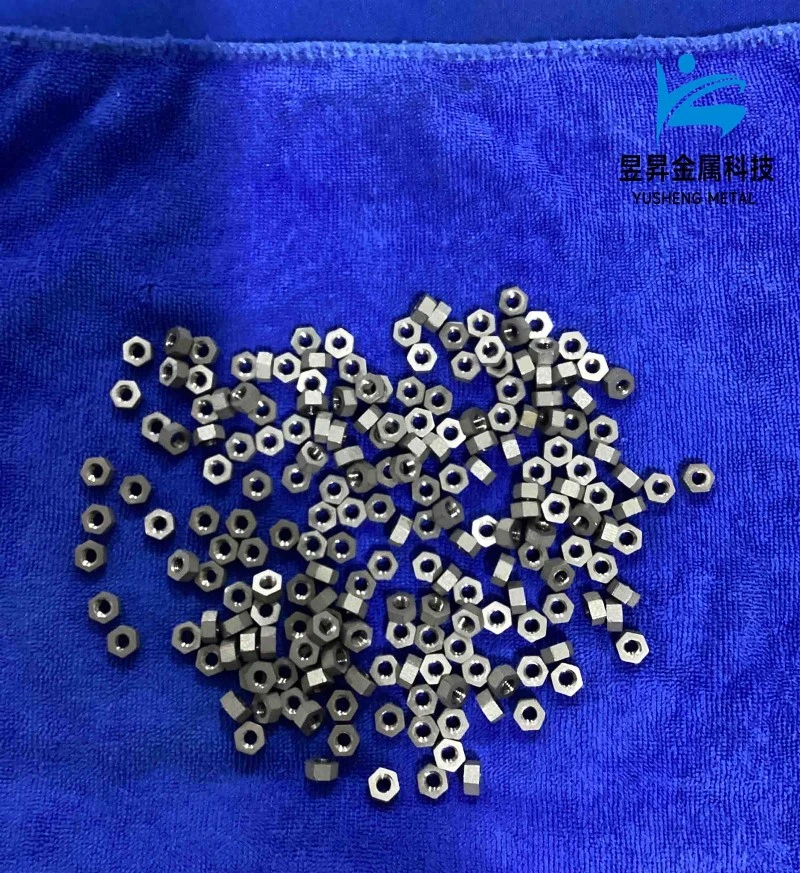
Among various special fasteners, tantalum nuts are high-end connecting components specially developed for extreme corrosive environments. Tantalum features outstanding chemical inertness. At room temperature, it can resist most strong corrosive media including hydrochloric acid, nitric acid, aqua regia, organic acid and chloride solution, except hydrofluoric acid and fuming sulfuric acid. Its corrosion resistance outperforms stainless steel, titanium alloy and Hastelloy. Besides, tantalum has a melting point of 3017℃ and maintains stable mechanical performance at high temperature without embrittlement or failure. High-purity tantalum also boasts favorable biocompatibility with no toxic precipitation, which makes it suitable for assembly of medical equipment. Export tantalum nuts are commonly supplied in purity grades of 99.9%, 99.95% and 99.99%. Hexagonal tantalum nuts, thin-type tantalum nuts, lock tantalum nuts and other styles are available. Thread specifications cover metric M series and imperial UNC/UNF threads with controllable thread accuracy and intact thread profile free of chipping. As shown in the sample photo, finished products have regular shapes with clean deburred surfaces. Threads pass go/no-go gauge inspection to meet assembly and repeated disassembly requirements of high-end equipment. Surface finishes such as pickled natural finish, polishing and sandblasting can be provided upon request to match different appearance and application requirements.
Fine chemical industry and hydrometallurgy are the largest consumption sectors of tantalum nuts for overseas procurement. For connecting positions inside overseas chemical reactors, distillation units, anti-corrosion heat exchangers, pickling tanks and extraction equipment, ordinary fasteners will be corroded and fractured within months, while tantalum nuts can serve stably for a long time, greatly cutting comprehensive costs caused by equipment shutdown, maintenance and part replacement. Many overseas chemical engineering companies and anti-corrosion equipment manufacturers place long-term bulk orders for matched tantalum fasteners. Tantalum fasteners are also widely adopted in raw pharmaceutical material synthesis and fine pharmaceutical intermediate production. Plenty of strongly corrosive reaction solvents are used in production, meanwhile strict control over metal ion precipitation is required. Tantalum nuts will not release impurity metal ions into liquid medicine, guaranteeing drug purity and meeting GMP production standards of overseas pharmaceutical factories. Demand from semiconductor equipment is also growing steadily. High-purity tantalum nuts are used for sealing and fastening in wafer cleaning equipment, wet etching chambers and high-purity fluid pipelines to avoid wafer contamination, which are critical accessories for wet electronic chemical equipment. In addition, tantalum nuts are purchased for high-pressure reaction devices in research laboratories, salt spray corrosion test equipment, auxiliary medical instruments and aerospace special corrosion cabins. Overseas buyers cover anti-corrosion equipment manufacturers, chemical engineering contractors, semiconductor component distributors, university research purchasers and pharmaceutical equipment enterprises, with both small trial orders and large bulk supporting orders.
The global special fastener market sees promising growth in corrosion-resistant segments. Driven by upgraded environmental regulations and safety production standards, chemical enterprises in Europe and America are phasing out traditional low corrosion-resistant alloy parts and switching to long-service-life rare metal fasteners such as tantalum and niobium. Local tantalum deep-processing capacity is limited in overseas regions, with expensive raw materials, high processing fees and long lead times. Therefore, more and more overseas purchasers turn to mature domestic tantalum processing factories in China. The domestic industrial chain covers tantalum billet rolling, precision CNC turning, threading, inspection, cleaning and testing. Factories support fast sampling for small orders and stable mass production. Apart from separate supply of tantalum nuts, matched tantalum bolts, tantalum gaskets and tantalum studs can be bundled for one-stop delivery, bringing great convenience for overseas buyers.
For foreign trade merchants focusing on tantalum fasteners, several key points should be noted to develop tantalum nut export business. First of all, confirm specifications clearly. Unlike standard stainless steel nuts, confirmation on purity standard, thread system (metric/imperial), specification grade, thickness, locking requirement and surface finish is required. For corrosive working conditions, medium and operating temperature should also be confirmed to recommend suitable material. Secondly, attach importance to thread inspection and supporting certificates. Most high-end overseas clients require go/no-go test reports and material spectrum certificates. Some semiconductor and pharmaceutical clients additionally demand clean oil-free packaging. Thirdly, manage quotation and cost properly. As tantalum is a strategic minor metal, raw material price fluctuates frequently. Quotations are suggested with validity period, and prices for samples and bulk orders should be separated. Fourthly, take protective packing measures. Tantalum is relatively soft and threads are easy to be knocked and damaged. Separate cushioning protection is needed for export packages to prevent thread damage during transit.
In the long run, the global market of high-end anti-corrosion equipment and clean fluid equipment keeps expanding, bringing bright prospects for the foreign trade track of high-value special fasteners like tantalum nuts. Domestic tantalum deep-processing factories keep improving precision threading technology to align with international ASTM standards and stabilize product consistency. Foreign trade practitioners can build a featured product line covering tantalum nuts, tantalum bolts, tantalum washers and tantalum screws, target overseas clients from chemical anti-corrosion, semiconductor wet equipment and pharmaceutical equipment industries, build differentiated competitive advantages in the niche special metal component track and secure stable long-term foreign trade orders.


