


As a scarce strategic refractory minor metal, tantalum features outstanding corrosion resistance, ultra-high melting point, excellent biocompatibility and stable electrical performance. Tantalum plates have become indispensable core raw materials for high-end manufacturing sectors including semiconductors, fine chemicals, medical devices and aerospace. Driven by the iteration of advanced chip manufacturing processes, expansion of new energy energy storage and high-end medical implant markets, overseas orders for high-purity, high-precision tantalum plates with stable surface quality keep rising. China's tantalum processing industrial chain has become increasingly mature. Standard tantalum plate products, with reliable quality, flexible customization services and mature delivery systems, continuously explore high-end overseas markets in Europe, America and Southeast Asia, emerging as a popular high-value new material category for cross-border trade. This article conducts an in-depth analysis from the material characteristics of tantalum plates, downstream application scenarios, global market trends, key points for foreign trade procurement and advantages of domestic supply chain, providing industry references for foreign trade practitioners and overseas buyers.
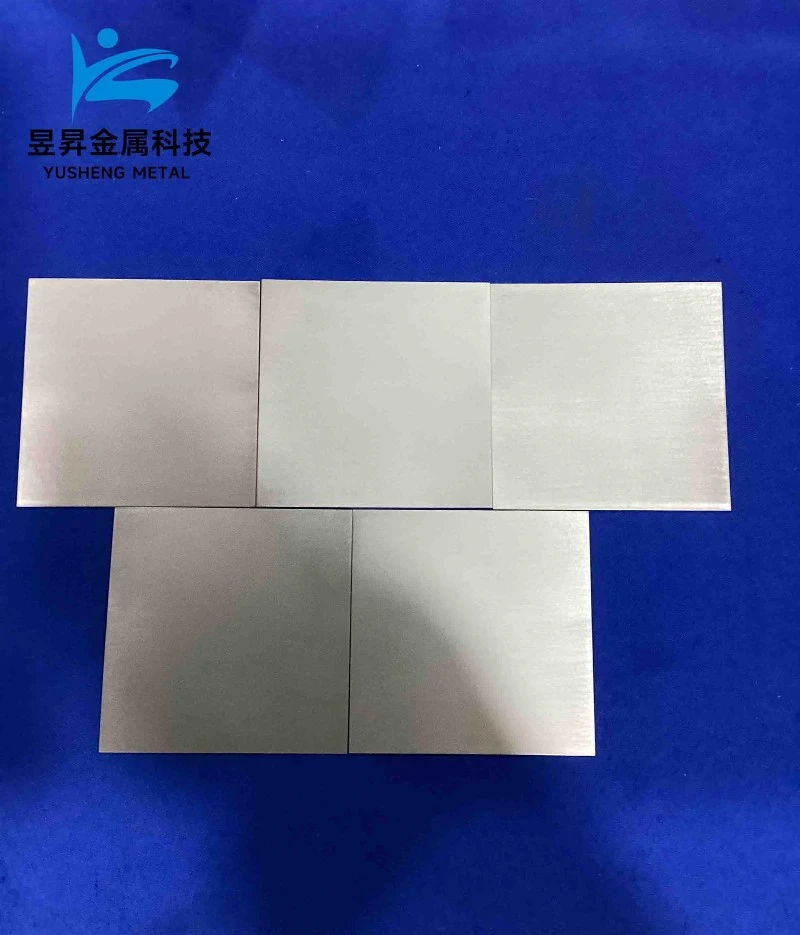
Among various rare metal materials, tantalum plate acts as an invisible cornerstone for high-end industrial manufacturing. Tantalum has a melting point up to 3017℃. At room temperature, it can resist most strong acids and corrosive media except hydrofluoric acid. Its corrosion resistance outperforms titanium and stainless steel, even comparable to platinum under certain working conditions. Meanwhile, high-purity tantalum boasts low dielectric loss, good thin-film adhesion and strong biological inertness, bringing no rejection reaction after being implanted into human bodies. These unique properties jointly create the irreplaceable market value of tantalum plates. Export-grade tantalum plates are commonly available with purity grades of 99.9%, 99.95% and 99.99%, manufactured in accordance with ASTM B708 international standards. Customized sizes in different thicknesses and dimensions are supported, with multiple surface treatment options such as wire drawing, polishing and pickling to meet diverse industrial processing requirements. As shown in the sample picture, finished tantalum plates have uniform and smooth surfaces with consistent textures, free of internal pores, delamination and inclusions, complying with strict inspection standards for target blanks, equipment linings and medical substrates.
The semiconductor industry serves as the primary driving force boosting overseas demand for tantalum plates. In advanced chip manufacturing nodes below 28nm, tantalum plates are base materials for sputtering targets. The deposited tantalum nitride thin film works as a copper diffusion barrier layer, preventing copper atoms from diffusing into dielectric layers and guaranteeing long-term stability of chip circuits. It is a mandatory material for advanced integrated circuit production. The capacity expansion of global computing power, AI servers and automotive chips continuously pushes up import demand for high-purity tantalum plates. Fine chemical industry is another major consumption field. Many overseas chemical manufacturers purchase tantalum plates to fabricate reactor linings, heat exchangers and rectifying tower components. In scenarios of strong-acid organic synthesis, hydrometallurgy and pharmaceutical intermediate synthesis, tantalum equipment achieves far longer service life than other alloys and brings lower overall operating costs in the long run. Demand from the medical sector also maintains steady growth. Medical-grade tantalum plates can be machined into orthopedic gaskets, dental restoration substrates and surgical instrument parts. Thanks to favorable osseointegration performance, its demand keeps climbing in the high-end orthopedic consumable market in Europe and America. Besides, aerospace, defense, new energy storage and radiation shielding sectors release stable purchasing orders. Overseas buyers cover large international metal distributors, chip manufacturers, medical equipment producers and special chemical equipment suppliers, forming a diversified demand structure.
The global tantalum material market maintains steady growth in recent years. According to industrial research institutes, the global tantalum plate market achieves an annual compound growth rate of around 6%. The market trend leans toward high-purity, ultra-thin and precision-processed products. Instead of focusing merely on price, overseas buyers pay more attention to purity consistency, ultrasonic testing reports, batch traceability, lead time and supporting precision machining services. Restricted by tight native tantalum ore resources and limited local processing capacity, most European and American clients prefer sourcing tantalum plates from Chinese factories with full-process production capacity. China owns a complete tantalum processing chain covering tantalum ore purification, rolling, heat treatment, surface finishing and non-destructive testing. It has prominent advantages in quality control, customization flexibility and delivery schedule. One-stop services including cutting, leveling, ultrasonic inspection and material test certificates can be provided for overseas customers, suitable for both small trial orders and long-term bulk frame contracts, which is ideal for foreign trade enterprises to develop this business.
For foreign trade practitioners focusing on tantalum materials, several core rules should be followed to seize market opportunities. Firstly, distinguish different tantalum plate grades. High-purity tantalum plates for semiconductor targets, corrosion-resistant tantalum plates for chemical use and medical tantalum plates have vastly different impurity control standards, quotation systems and inspection items. Confirm purity grade, standard, surface requirement and NDT requirements with overseas customers in communication. Secondly, attach importance to compliance and document preparation. High-end overseas buyers usually require material certificates, spectrum analysis reports and UT test reports attached to shipments. Correct commodity classification and complete export documents are necessary for customs clearance. Thirdly, watch out for supply chain fluctuation risks. As a strategic minor metal, tantalum raw material price fluctuates periodically. Foreign traders are suggested to separate spot quotation and long-term agreement quotation, and lock production schedules with factories in advance to avoid price hikes and delivery delays.
In the long run, the upgrading trend of global high-end manufacturing will continue. The expansion of AI computing power, third-generation semiconductors, minimally invasive medical treatment and green fine chemical sectors promises broad long-term growth space for tantalum plate foreign trade. Chinese premium tantalum processors keep optimizing precision rolling and surface finishing technologies to match quality benchmarks of top international material suppliers, and will occupy a more important position in the global rare metal supply chain. Foreign trade sellers can leverage mature domestic production capacity, target segmented industrial clients, and build high-value tantalum product lines including high-purity tantalum plates, tantalum sheets, tantalum foils and tantalum target blanks to gain competitive edges in the new material cross-border trade track.


