




Molybdenum Heat Strip
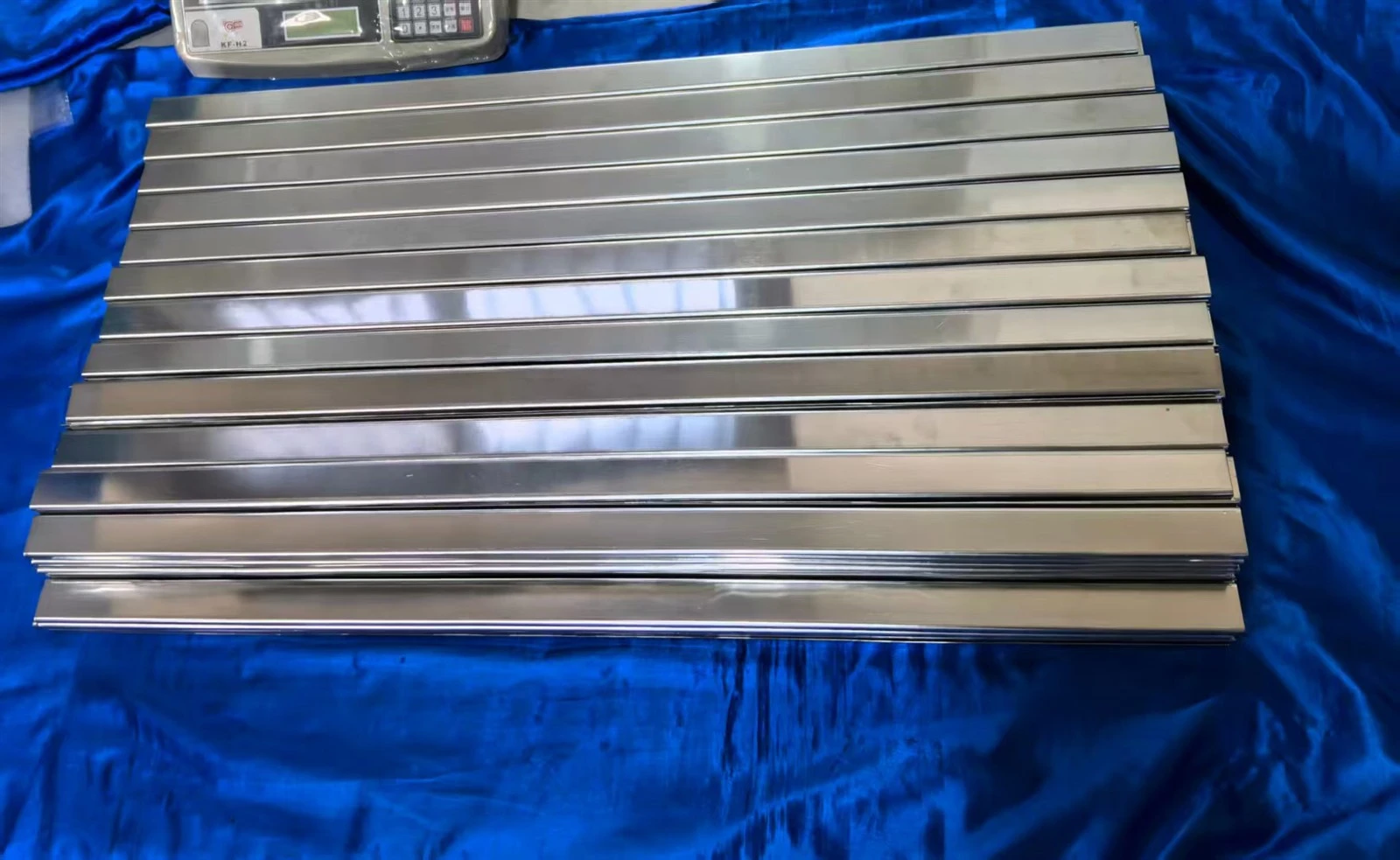
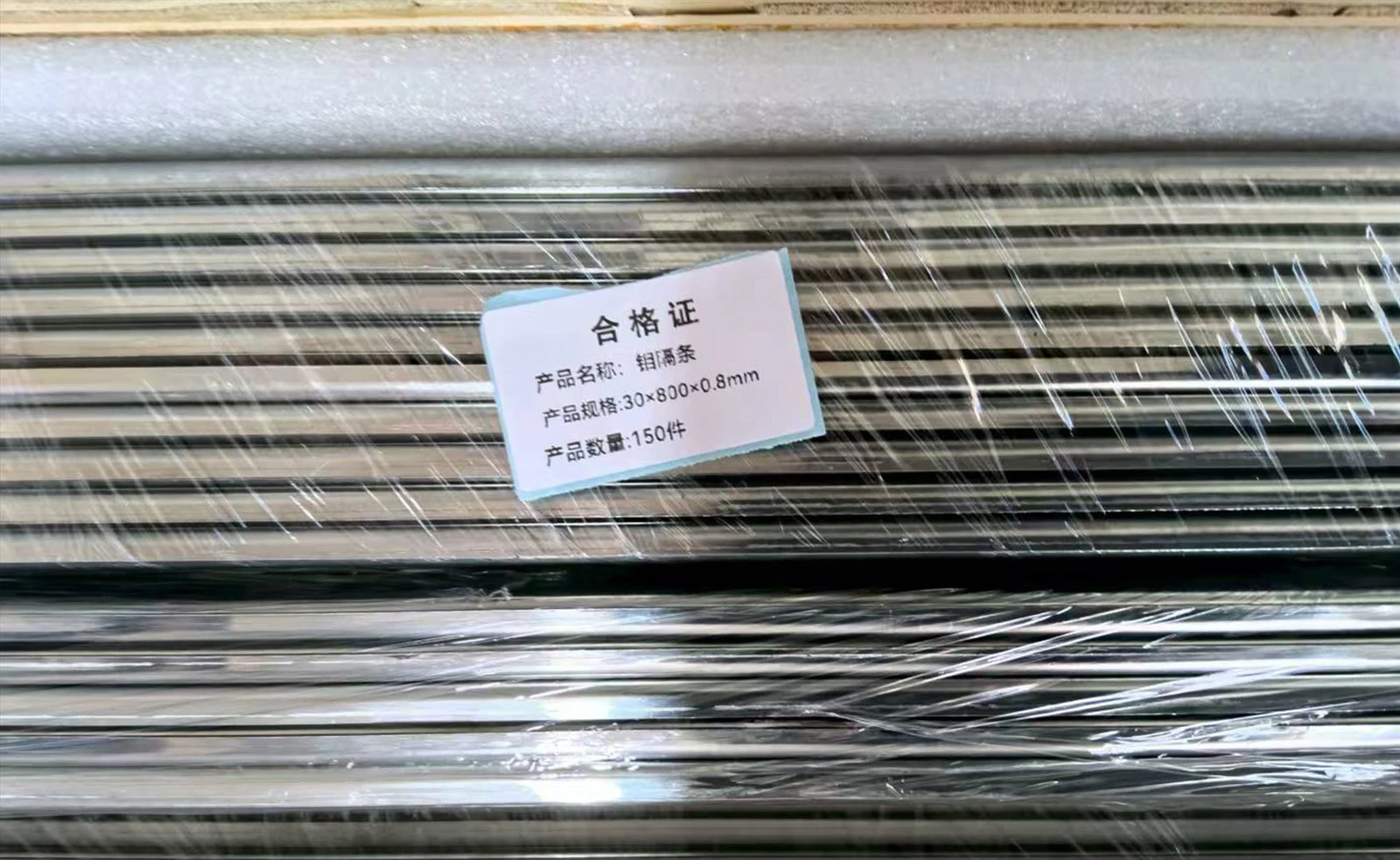
Molybdenum Heat Strip
1. Product Basic Introduction
For non‑professional buyers: Molybdenum heat strip is a strip‑shaped metal part mainly made of molybdenum or molybdenum‑containing alloy. It can work stably under ultra‑high‑temperature conditions. Different from ordinary heat‑conducting metal strips, it focuses on slowing down heat transfer. It acts as a high‑temperature barrier inside furnaces, engines and precision equipment, preventing excessive heat from spreading to surrounding parts and protecting equipment from high‑temperature damage.
For professional buyers: Molybdenum heat strip is processed with molybdenum‑base or molybdenum‑alloy raw materials. It inherits molybdenum's core properties: high melting point around 2620 °C, outstanding high‑temperature dimensional stability, relatively low high‑temperature thermal conductivity and good chemical inertness. It serves as spacer and thermal‑insulation component for high‑temperature working conditions, for blocking heat conduction and realizing local thermal isolation or temperature‑gradient control. Widely deployed in high‑temperature furnaces, aerospace hardware, nuclear‑energy devices and semiconductor thermal‑processing equipment.
2. Product Parameter Table
| Item | Specification Details |
|---|---|
| Available Grades | Mo1, Mo2, TZM molybdenum alloy |
| Material Purity | ≥99.95% for pure molybdenum grades |
| Dimension | Thickness: 0.1 mm‑5.0 mm Width: 10 mm‑300 mm Length: 50 mm‑2000 mm Custom size available per drawings |
| Surface Treatment | Rolled surface / ground surface / polished surface |
| Executive Standard | ASTM B386, GB/T 34622 |
| Melting Point | Approx. 2620 °C |
| Density | 10.2 g/cm³ |
3. Product Advantages & Features
Ultra‑high temperature resistance: Melting point up to 2620 °C, maintains structural integrity without melting or deformation under long‑time high‑temperature service.
Relatively low thermal conductivity at high temperature: Compared with iron‑nickel‑based metals, it suppresses heat transfer effectively and realizes thermal‑isolation effect.
Excellent high‑temperature stability & chemical inertness: Low‑volatility at high temperature, good resistance to corrosion by most inert‑atmosphere and vacuum environments.
Low neutron‑absorption cross‑section: Suitable for nuclear‑relevant high‑temperature working conditions.
Good machinability: Can be cut, punched and bent to fabricate customized spacer and shielding components for different equipment structures.
Low‑impurity raw material: Less volatile impurities, avoids contaminating wafers or high‑purity processing chambers in semiconductor applications.
4. Testing Methods & Application Areas
Testing Methods
Visual inspection: Check surface for cracks, peeling, scratches and oxidation defects.
Dimensional inspection: Micrometer and caliper to verify thickness, width, length and tolerance.
Chemical composition test: Spectral analysis for purity and impurity content verification.
Physical performance inspection: High‑temperature observation test (optional), density test.
Optional service: Provide EN 10204 3.1 batch test report; support third‑party inspection upon customer requirement.
Application Areas
1. High‑temperature furnace & heat‑treatment equipment
Furnace layered thermal insulation For vacuum furnaces, sintering furnaces, atmosphere furnaces and other high‑temperature devices, the inner cavity needs multiple temperature zones (high‑temperature core zone and low‑temperature edge zone). Molybdenum heat strips work as spacing insulation parts, installed between furnace wall and lining or between divided temperature zones. Benefiting from its relatively low high‑temperature thermal conductivity, it slows heat transfer from high‑temperature zones to low‑temperature zones or furnace exterior. It improves energy efficiency and protects furnace structures against over‑temperature erosion.
Local workpiece temperature control For precision heat‑treatment processes such as local metal quenching and ceramic gradient sintering, molybdenum heat strips are arranged around target workpiece areas. They restrain unnecessary heat conduction toward non‑target regions to achieve accurate local temperature control.
2. Aerospace & engine manufacturing
Thermal‑insulation protection for high‑temperature components During manufacturing and testing of aircraft‑engine combustion chambers, turbine blades and other parts, adjacent structures must be shielded from excessive heat input (e.g. blade root‑casing joints). Molybdenum heat strips act as high‑temperature insulation barriers fitted between hot components and cold‑side structures, reducing heat transfer and preventing low‑temperature parts from over‑heating failure.
Rocket‑engine nozzle thermal isolation In rocket‑engine nozzle assemblies, the inner wall bears thousands‑degree‑centigrade combustion gas while outer walls connect with other hardware. Molybdenum heat strips are applied as interlayers between inner and outer walls to block heat conduction and safeguard outer‑side structures.
3. Nuclear‑industry & energy equipment
Nuclear‑reactor high‑temperature‑zone insulation Inside nuclear‑reactor core assemblies including fuel‑rod groups and control‑rod guide structures, local areas endure ≥1000 °C while heat diffusion toward surrounding containment structures must be restrained. Molybdenum heat strips feature high‑temperature endurance, low neutron‑absorption cross‑section and superior chemical stability. Used as insulation spacers to mitigate radiative heat conduction, without chemical reaction with nuclear fuel or coolants.
4. Semiconductor & electronic high‑temperature processes
Insulation for wafer‑processing equipment For semiconductor wafer high‑temperature diffusion, ion implantation and other process equipment, thermal barriers are required between internal heaters (RF heaters etc.) and chamber shells, to avoid shell over‑temperature and equipment performance drift. Molybdenum heat strips serve as high‑temperature insulation medium to hinder outward heat transmission, meanwhile mitigating high‑temperature‑caused wafer contamination risks.
5. Why Choose Yusheng Metal for Molybdenum Heat Strip
Baoji Yusheng Metal Technology Co., Ltd. is situated in Baoji High‑tech Development Zone known as "China's Titanium City". We specialize in processing high‑temperature molybdenum‑series products.
Production advantages: Whole‑line manufacturing including molybdenum powder sintering, hot rolling, precision slitting and surface finishing. We can adjust rolling processes and surface status according to actual furnace‑service conditions.
Strict quality management: Raw‑material inspection + in‑process monitoring + finished‑product inspection. Each batch can offer composition and physical‑property test documents.
Customization capability: Support non‑standard thickness, width and length; accept small‑batch trial‑order for equipment R&D and large‑volume serial supply. Our technical team can recommend suitable grades for your working atmosphere and temperature range.
Packaging & export logistics: Anti‑oxidation protective packaging for thin molybdenum strips. Cooperated freight forwarders provide air, sea and international express services with complete export documentation.
6. FAQ - Frequently Asked Questions for Buyers
Q1: What information do I need to provide for quotation of molybdenum heat strip?
A: Please specify grade (Mo1 / Mo2 / TZM), thickness, width, length, surface requirement, tolerance and order quantity. Providing drawings will help us give fast and accurate quotation.
Q2: Can you make custom‑size molybdenum heat strips? What is your MOQ?
A: Custom dimensions are acceptable. MOQ depends on specifications. Small‑quantity R&D trial pieces are available, and mass‑production orders are also welcomed.
Q3: What reports or certificates can you supply?
A: Factory internal test certificates covering chemical composition and physical properties are available. Third‑party inspection can be arranged upon buyer's request.
Q4: What is your production lead‑time?
A: Standard specifications: 7‑12 working days. Custom‑made molybdenum heat strips: 18‑28 working days, subject to dimension complexity and order quantity.
Q5: Will molybdenum heat strip oxidize easily during application?
A: Molybdenum tends to oxidize above 600 °C under air environment. It is suitable for vacuum or inert‑atmosphere working conditions. If used in air‑exposed high‑temperature environment, please take anti‑oxidation coating or protective‑atmosphere measures.
7. Packaging
Molybdenum heat strip is high‑temperature‑resistant precision metal material; packaging targets: anti‑oxidation, anti‑scratch and anti‑bending deformation.
Inner packaging: Separate pieces wrapped with protective paper; vacuum‑sealed plastic bags to isolate air and moisture.
Intermediate packaging: Put products into hard cartons; fill with bubble foam to avoid extrusion and collision. For thin‑strip products, add rigid partition boards to prevent bending.
Outer packaging: Export wooden cases for heavy cargo with clear shipping marks to keep products intact in transit.
Should you have further questions about molybdenum heat strip, welcome to contact Yusheng Metal for inquiry and sample confirmation.
Email: kd@tantalumysjs.com
Whatsapp: +86 13379388917
Hot Tags: molybdenum heat strip, suppliers, manufacturers, factory, customized, buy, price, quotation, quality, for sale, in stock, High Purity Molybdenum Plate, Polished Molybdenum Plate, Molybdenum Plate
Previous
No InformationYou Might Also Like


Send Inquiry